
 Tea information
  Tea classification
  Tea effect
  tea price
  How to drink tea
  tea cultivation
  Tea tasting tea ceremony
  Tea Q&A
  history and culture
  Home
HomeWhite tea, an important health drink in autumn | pasti 200m slot, casino slot winners, game offline tembak ikan

In autumn, the lungs are most vulnerable to damage
The key to maintaining health in autumn is to nourish the lungs
Eat more white foods to nourish your lungs in autumn
Traditional Chinese medicine believes
"The lungs are delicate organs with the highest position and are not resistant to cold and heat"
The lungs “like to be moist but dislike dryness”
Most vulnerable to dryness evil
If the lungs are unwell, it will cause cough, phlegm, bronchitis, etc.
The lungs and large intestine are on the outside and inside, and the outside of the lungs is covered with fur
So if the lungs are not well maintained
Problems such as rough skin, dryness and peeling may occur
White tea is also a white food
White tea is one of the six major tea categories in China and is a slightly fermented tea
Due to the unique production method, no frying or kneading
The appearance of the finished tea is covered with white pekoe
Hence the name “white tea”
White tea is due to its unique environmental conditions and production methods
Creating its natural and elegant appearance
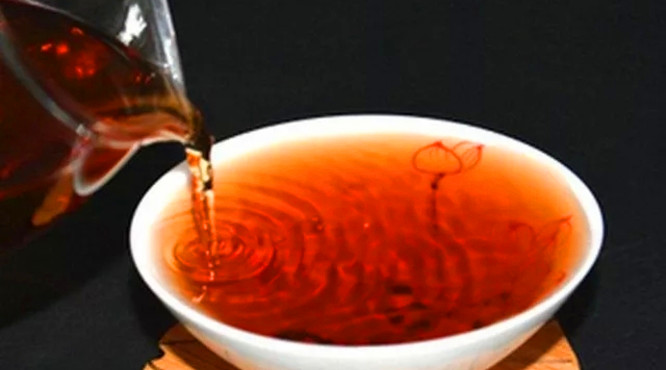
The quality characteristics of the soup are light yellow and bright, and the taste is sweet and refreshing
Six major benefits of drinking white tea in autumn
1. Enhance digestive capacity
Drinking white tea can increase gastrointestinal contraction ability
Helps the digestive system function regularly throughout the day
Better absorption of nutrients from food
2. Improve blood circulation
When drinking a cup of white tea
The "cache" accumulated by the nervous system
And excess fat storage in the body
All can be slowly excreted from the body
It also helps to remove toxins produced by human metabolism
Eventually it will improve blood circulation
3. Helps control weight
A cup of white tea before meals
Can raise body temperature and increase metabolic rate
Burn more calories (fat) in a day
If you add lemon to white tea, the effect will be better
Can help break down fat tissue
The combination of warm water and lemon brings pectin
Therefore, it can also regulate appetite
4. Prevent poor defecation
Many people have problems with bowel movements and even constipation
This is the result of poor intestinal peristalsis
One of the important reasons is lack of water and the presence of toxins in the body
Drink a cup of white tea before eating
Can promote gastrointestinal motility and effectively regulate constipation
5. Delay human aging
The more toxins and "waste" in the body
The body ages faster
Excessive accumulation of toxic substances makes you more likely to get sick
The unique effect of white tea can help human metabolism
And can repair damaged skin cells
Improve skin elasticity
6. Improve sleep quality
Drink white tea in the morning and evening to sleep better at night
If you continue to drink white tea after dinner
It can also relax nerves and promote sleep
It can also help eliminate midnight hunger
Next:Must-know effects of Fu tea | slotnation88 alternatif, poker 888
Latest updates
- The Rise of Mobile Gaming: Why Downloads Are Surgi
- Best Practices for Downloading Games Safely in 202
- Epic Games Store: The Best Free Game Offers You Ca
- Exploring the Best PC Games on Steam and Epic for
- The Best Action Games to Download for PC in 2023 |
- Exploring the World of Indie Games: Why You Should
- Game Downloads Made Easy: A Comprehensive Guide to
- Experience the Thrill: Why You Should Download Adv
- The Rise of Cloud Gaming: Downloading Games is So
- Game Downloads: How to Ensure a Smooth Experience
Recommended reading
You May Also Like
- Console Gaming vs. PC Gaming: The Download Debate
- The Evolution of Mobile Gaming: Top Games to Downl
- The Future of Mobile Gaming: Trends You Can’t Igno
- Unveiling the Best Indie Games on Steam and Epic f
- 5 Upcoming Games to Watch Out For in 2023 | oyo 88
- Exploring the Future: Upcoming Console Releases to
- Best Practices for Downloading Games Safely in 202
- The Evolution of Console Gaming: Past, Present, an
- Epic Games Store vs. Steam: Which Platform Should
- Epic Games Store: Exciting Titles You Need to Down
Follow us